



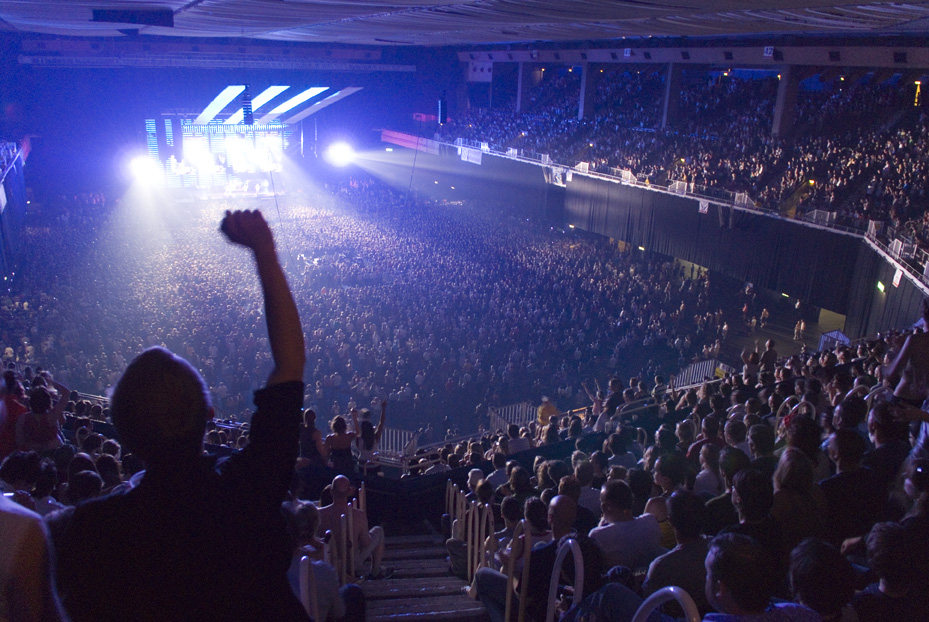
We can’t skip the first step and still call it strategy. Before the tactics, before the channels, before we even open a document to plan anything, we have to know who we’re actually building it for. Not some vague version of “our audience” we nod along to in meetings, but the specific people we need if we’re going to reach the outcome we’re after.
What does it take to actually know your audience?
More than a survey, more than a guess based on who showed up last time. It takes sitting with the questions long enough that the answers stop being assumptions but become the valid details we need to succeed:
- Who actually benefits from what we’re building, and are we sure, or are we guessing
- What outcome does this specific group need to walk away with
- Where’s the gap between who we’re picturing and who’s actually there
- Have we researched these groups recently, or are we working off of potentially obsolete data
That’s the research piece, and it takes real time, more than most of us give it before diving into the actual planning. Skip it, and the plan downstream only holds up as well as the guesses it’s built on.
How do we tailor strategy to the audience we need?
Once we actually know who we’re talking to, the strategy starts making itself. Different segments want different outcomes, and pretending one message serves everyone is how good work gets ignored by the exact people it was meant for.
- Group the audience by the outcome needed, not just by demographics or title
- Ask who has to be reached for the goal to even be possible, and build toward them specifically
- Adjust the tone and channel for each segment, because one script doesn’t work for the whole room
- Revisit the segmentation as the goal changes, since the audience we needed at the start isn’t always the one we need at the finish
None of this happens by accident, and none of it holds up if we do it once and call it done. We have to keep checking it, keep asking who’s actually in front of us now, because the audience that got us started usually isn’t the exact audience that gets us to the finish.