



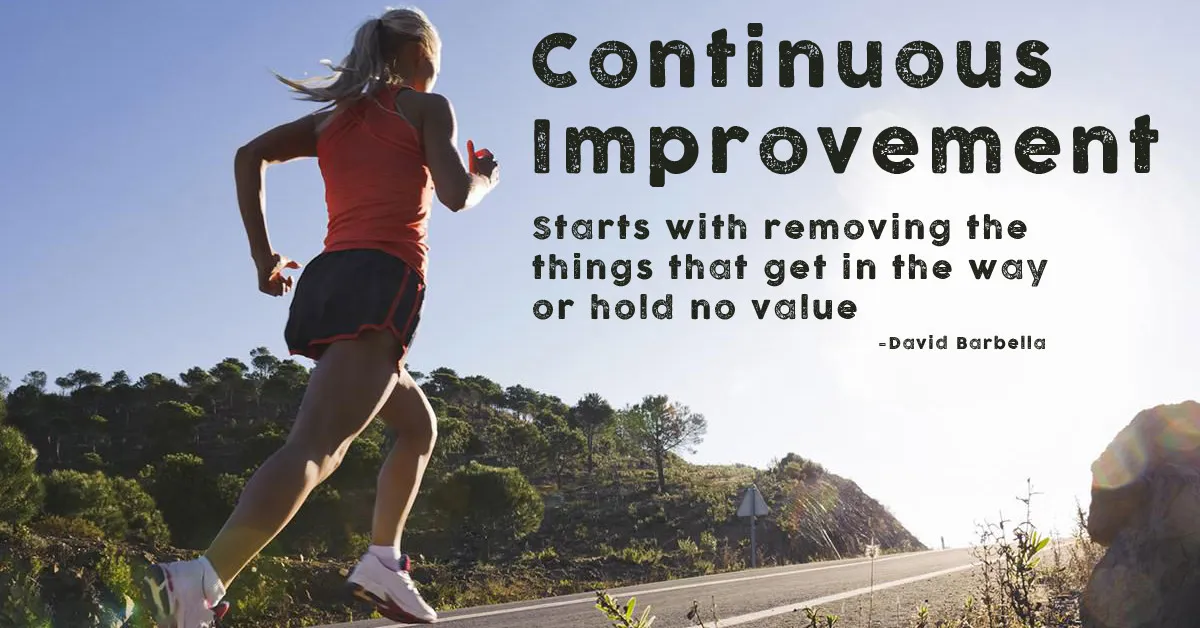
With lean thinking, we’re always looking for continuous improvement in all areas. People (including ourselves), process, partners, tools, and the overall environment we’re working within… Anything that takes time, effort, resources, or holds unnecessary complexity without adding legitimate value, is waste.
What does waste actually look like day to day?
It’s rarely the obvious stuff. It’s the extra approval step nobody remembers the reason for, the meeting that could’ve been an email, the process someone built for a problem that stopped existing two reorgs ago. It’s a tool the team pays for and barely opens, a handoff that loses context every single time it happens, a habit we keep out of comfort rather than value.
- Is this step still solving the problem it was built for, or just surviving out of habit
- Does this meeting need everyone in the room, or just the decision
- Would we build this process today, from scratch, if it didn’t already exist
- Who’s carrying friction quietly because raising it feels like more trouble than it’s worth
Ask those questions often enough, and the waste starts finding itself.
How do we actually build the habit of catching it?
Not with a quarterly audit. Not with a big kickoff meeting about “efficiency.” The habit is smaller and more constant than that… it’s staying deeply engaged with the actual work, paying attention, watching what the data’s actually telling us, and noticing when something’s stopped delivering meaningful value, even when it’s a process we built ourselves. Some of that’s obvious once you’re looking for it… a lot of it isn’t.
It also means the team feels safe enough to point at something and say “this doesn’t make sense anymore” without it landing as a complaint. And it means we’re willing to hear that about the things we personally set up… nobody’s process gets a permanent pass just because they built it.
Just remember, it’s never one and done… keep looking, keep improving. The moment we think we’ve optimized everything is usually the moment we’ve stopped looking closely enough.